




























By Jamiu Yusuf
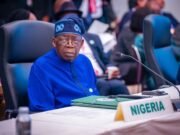
ABUJA: When President Bola Tinubu recently granted pardon and clemency to 175 convicts and ex-convicts, the announcement was greeted with shock. Among the beneficiaries were individuals convicted of terrorism, drug trafficking, and even murder.
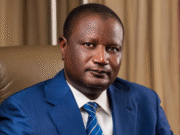
Days later, as Nigerians demanded explanations, the Attorney General of the Federation and Minister of Justice, Prince Lateef Fagbemi, SAN, on Thursday clarified why none of the pardoned inmates has been released.
“The Office of the Attorney-General of the Federation and Minister of Justice wishes to clarify that no inmate approved for clemency under the recent exercise of the President’s power of prerogative of mercy has been released from custody,” he stated.
According to him, the last phase of the process involves a comprehensive legal and procedural review to ensure all listed beneficiaries meet the established requirements before the formal instrument of release is issued and transmitted to the Controller-General of Corrections.
“This verification process,” he noted, “is a safeguard against errors and reflects government’s commitment to transparency and due diligence. There is no delay in the process; it is simply following the law to the letter to ensure that only those duly qualified benefit from the President’s mercy.”
According to Fagbemi, the clemency exercise, though endorsed by the Council of State, “remains at the final administrative stage,” requiring fresh scrutiny of names to ensure that only those who meet the law’s criteria benefit.
He stressed that “there is no delay in the process; it is simply following the law to the letter.”
But the controversy is far from procedural. The decision has triggered outrage among victims’ families, civil society organisations and legal experts who question the moral compass of a government that extends mercy to hardened criminals in a country battling rising insecurity.
This is not the first time a Nigerian president’s exercise of prerogative of mercy has drawn criticism. Former President Goodluck Jonathan in 2013 pardoned former Bayelsa governor, Diepreye Alamieyeseigha, convicted of corruption. In 2022, then President Muhammadu Buhari pardoned two former governors—Joshua Dariye of Plateau and Jolly Nyame of Taraba—who were serving jail terms for looting public funds.
In each case, critics argued that the pardon power was weaponized for political convenience, often undermining the anti-corruption fight and eroding public confidence in the justice system.
Observers say the current list bears the same hallmarks: lack of transparency in the selection process, inclusion of high-profile or politically connected individuals, and disregard for the public outcry over releasing people convicted of heinous crimes.
“Granting clemency to those convicted of violent crimes or corruption sends a dangerous signal—that justice in Nigeria can be negotiated or erased with a stroke of the pen,” said one senior lawyer who asked not to be named.
The AGF, however, insists that the review is necessary to “correct errors and maintain institutional integrity.” He assured Nigerians that the government would only release inmates who “duly qualify.”
Legal experts argue that while Section 175 of the 1999 Constitution empowers the President to pardon offenders, such powers should be exercised sparingly, especially in cases involving national security. “Mercy should not be used to undermine deterrence,” noted human rights lawyer, Chino Obiagwu. “Releasing terrorists or murder convicts risks compounding insecurity and weakening faith in the courts.”
For now, the 175 remain in custody. But the uproar has forced the government to tread carefully. Whether the final list survives public scrutiny—or becomes another stain in the long history of controversial pardons—remains to be seen.