






























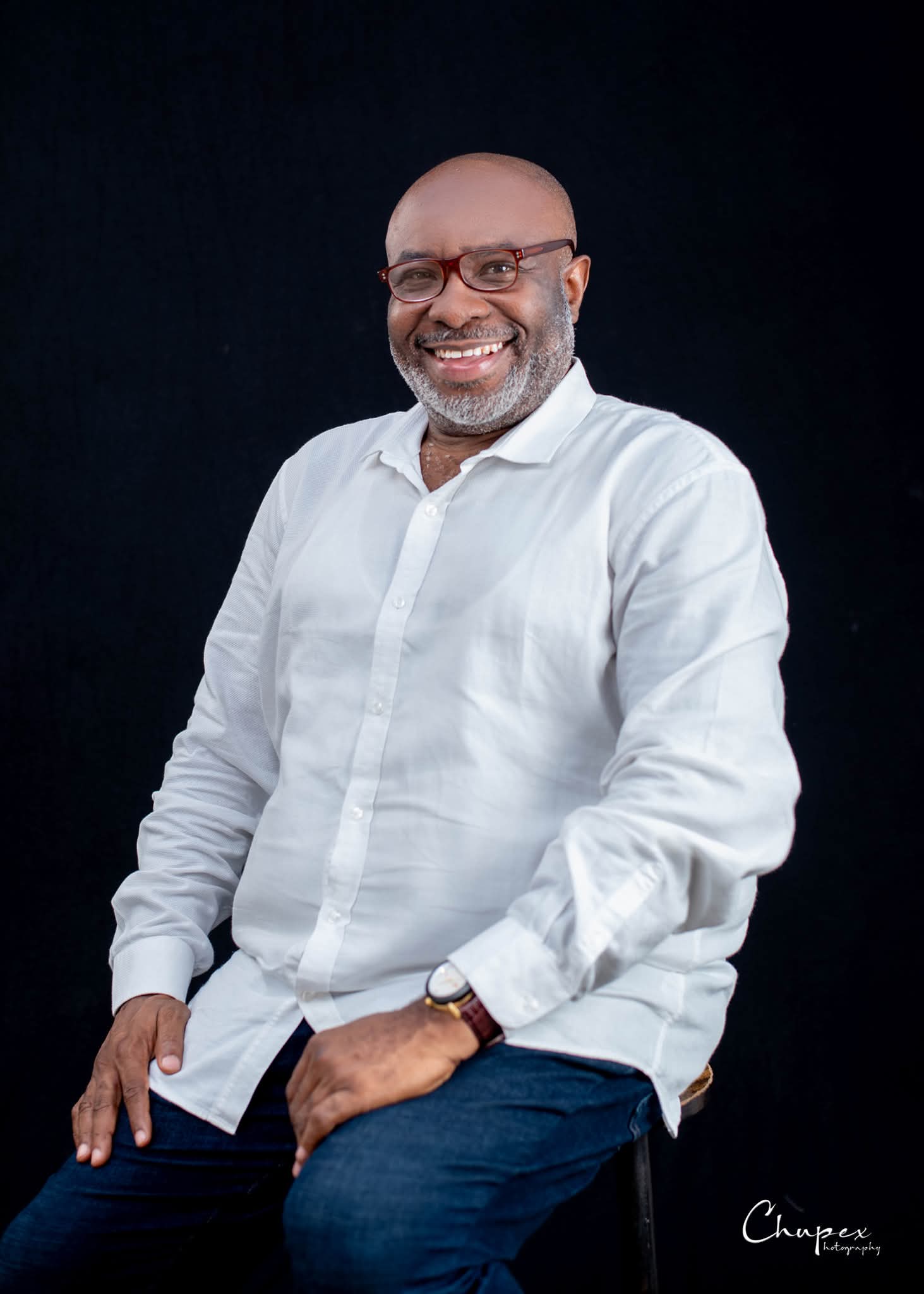
By Prof. Chiwuike Uba
Nigeria stands at a crossroads. Our young population is bursting with ideas, our resources are vast, and our culture is vibrant. Yet, this promise is undermined by three deeply connected crises: a justice system that serves the powerful but punishes the powerless, a stifled innovation ecosystem, and a national unity frayed by the politicisation of religion and ethnicity. Addressing them piecemeal has failed; only a combined approach will deliver real change.
Our justice system operates on two tracks. For the wealthy and well-connected, it can be fast, flexible, and forgiving. For the poor, it is slow, costly, and crushing. Over 70 percent of inmates are awaiting trial — some for minor offences and for years on end — compared to under 20 percent in Rwanda, which reformed its system through fast-track courts and community service. The message to ordinary Nigerians is clear: justice is not blind; it is selective. And when the law appears to serve some and not others, trust in the entire democratic system erodes.
Consider Musa, a 28-year-old mechanic from Kano, arrested for “loitering” during a police sweep. He has spent 14 months in pre-trial detention, his case postponed repeatedly because “the file is missing.” His wife now works as a roadside vendor to feed their two children. In contrast, high-profile corruption suspects often secure bail within days and drag cases out for years. The injustice is not abstract — it is lived, daily, by people like Musa.
This inequality has a ripple effect. When people lose faith in justice, they disengage from civic life, corruption becomes normalised, and division deepens. Nowhere is this more damaging than in the treatment of Nigeria’s youth — a generation producing world-class solutions in spite of, not because of, their environment.
From fintech pioneers like Flutterwave to life-saving health innovations like LifeBank, Nigerian entrepreneurs are proving their worth globally. Yet access to funding is concentrated in a handful of sectors, regulations change without warning, and infrastructure gaps — from erratic power to poor internet — choke growth. While countries like Singapore and Israel have intentionally built startup ecosystems with tax breaks, targeted investment, and coordinated support, Nigeria’s efforts remain scattered and reactive.
Ask Chika, a 24-year-old software developer in Enugu who designed an app to connect rural farmers with urban markets. Despite interest from buyers, she cannot secure seed funding because investors focus on Lagos and Abuja. A single month of poor internet service caused her to lose her first paying client. Her idea could feed families and boost rural incomes, but without systemic support, it risks dying in her laptop.
Overlaying these challenges is the politicisation of religion and ethnicity. Instead of binding us together, they are too often weaponised to divide and exclude. This fuels mistrust, hardens grievances, and makes young people vulnerable to extremist narratives. The recurrent violence in Plateau and Southern Kaduna shows how easily this can spiral. Yet it doesn’t have to be this way. Rwanda’s post-genocide unity programmes and South Africa’s Truth and Reconciliation process prove that healing and cooperation can be built into national life.
The cost of this division is personal. Halima, a Christian teacher from Southern Kaduna, and her Muslim neighbour, Yusuf, once ran an after-school tutoring programme together. After a wave of sectarian clashes in their area, the programme shut down; parents no longer wanted their children crossing “community lines.” What was once a space for learning and laughter became another casualty of distrust.
These problems feed each other. A biased justice system empowers divisive politics. Division undermines the trust needed for collaboration and innovation. Weak governance and corruption bleed resources from infrastructure, education, and opportunities — leaving citizens frustrated and disillusioned.
The path forward is clear. Justice must be fair, swift, and accessible. Free legal aid, transparent case-tracking, and special courts for minor offences can level the field. Innovation must be decentralised, with regional hubs, simplified regulations, and funding that reaches beyond Lagos and Abuja. Religion and ethics must be reclaimed as tools for unity through interfaith councils, civic education, and faith-based investments in literacy, health, and livelihoods.
In the next 12 months, tangible goals can be set: reduce pre-trial detention by 50 percent, cut business registration to under a week nationwide, and establish state-level interfaith councils before the next election cycle. The private sector should fund social-impact startups, create corporate legal aid programmes, and embed anti-corruption clauses into contracts. Citizens must monitor reforms through civic tech, support youth-led businesses, and volunteer in cross-community initiatives.
If we act together, Nigeria can turn diversity into an engine of innovation, empower youth as global trailblazers, and make justice a national point of pride. The choice is urgent and clear: act now, or watch the promise of our nation continue to slip away. God is with us!
-Uba is the Founder and Chairman of the Board of Amaka Chiwuike-Uba Foundation.