































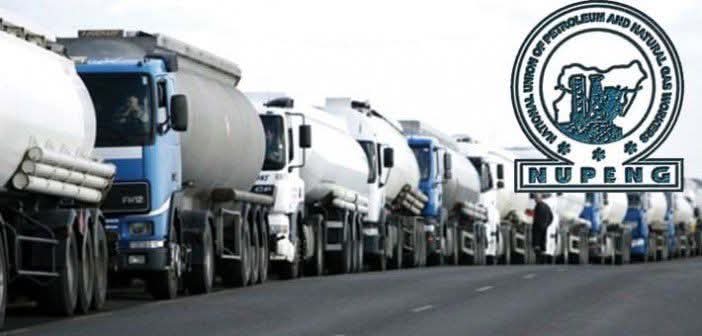
ABUJA: Nigeria is staring at a fuel supply crisis as tanker drivers under the Nigeria Union of Petroleum and Natural Gas Workers NUPENG have vowed to down tools from Monday, September 8, 2025, over a festering dispute with Dangote Refinery.
If the strike goes ahead, petrol stations across the country could run dry within days, grounding transport, crippling businesses, and worsening the cost-of-living crisis already battering Nigerians.
At the heart of the showdown is Dangote Refinery’s decision to deploy 4,000 Compressed Natural Gas CNG trucks for product distribution—a move NUPENG says will throw thousands of its members into unemployment.
In a statement signed by its President, Comrade Williams Akporeha, and General Secretary, Comrade Afolabi Olawale, the union accused Dangote’s business allies, particularly Alhaji Sayyu Aliu Dantata of MRS, of launching a recruitment drive for new CNG truck drivers under conditions that bar them from joining oil and gas unions.
“This is union-busting in its crudest form,” NUPENG declared. “It is an assault on workers’ rights, a brazen attempt to enslave Nigerian drivers, and we will resist it.”
Despite several meetings with Dangote’s representatives and the Nigerian Association of Road Transport Owners NARTO, the union said no compromise was reached. Instead, it alleged, Dangote’s partners are pressing ahead with plans to sideline existing tanker drivers.
The strike, NUPENG warned, will shut down loading of petroleum products nationwide. The ripple effect is expected to be immediate: empty pumps, skyrocketing black-market prices, and nationwide gridlock.
“Since Alhaji Aliko Dangote and his cousin have chosen to replace all petroleum tanker drivers in Nigeria, and no authority has called them to order, our members will from Monday withdraw their services and seek alternative livelihoods,” the statement read.
The union has called on the Federal Government to intervene before the crisis spirals out of control. But with the clock ticking toward Monday, Nigerians may be forced once again to queue endlessly for fuel—a nightmare scenario that threatens to grind the economy to a halt.
Industry analysts warn that a prolonged strike would not only disrupt fuel supply but also undermine the country’s fragile energy security at a time when global oil prices remain volatile.
As the standoff deepens, ordinary Nigerians are bracing for yet another round of hardship, caught in the crossfire of a clash between labour and big business.